Issues of 7 for Sunday.
Issue № 112
The balance
The river doesn’t doubt — it’s sure to get where it’s going, and it doesn’t want to go anywhere else. That image floats through an issue honestly reckoning with the difference between a pendulum that swings back and an arc that simply moves forward. The helper archetype burns out. The well, it turns out, doesn’t run dry from drawing too quickly. Bradbury was right: the trick is to tip ourselves over.
Issue № 111
Solitude and detachment
Two weeks, entirely cleared of all responsibilities, every unnecessary activity swept away — and the unexpected result is not clarity about which creative idea to pursue, but uncertainty about whether to pursue any of them at all. Francesco Clemente paints from boredom; Ray Bradbury understood literature as civilization’s safety valve. What comes through most clearly is the third way: not angst, not analysis, just choosing to make the world better by making better things.
Issue № 110
Spiritual journeys
On a winter deck in a sweatshirt, arms outstretched in slow movement exercises with a dozen friends, shoulders starting to burn — and the realization that the right move was simply to lower the arms, rest, and raise them again. No struggle, no suffering, just the question: what can I do so I can be out here longer, with all my friends? That moment carries the whole issue, which arrives at Wu Hsin’s two-step spiritual journey — become lost, then lose yourself — and finds both steps, somehow, reassuring.
Issue № 109
Does this path have heart?
The issue opens with a cancer diagnosis — excellent prognosis, stellar care — and then moves immediately to the question that has been serving as a ruler: does this path have heart? Five months of quiet work, of ripping apart and shutting down and finally finishing things, of spring cleaning as though standing at the beginning of life’s final year. Seneca’s one pile — the stuff that matters — and Elizabeth Gilbert’s bonus eighth item, which arrives at the end like a door swinging open.
Issue № 108
Curated for wonder
Someone broke off a piece of the Punic Wall of Cartagena — circa 200 BCE — crumbled it, and responded with a miffed “meh, this is boring” while a small child watched. That moment of flabbergasted outrage opens an issue about curation, the imprint of a single sensibility on a collection, and wonder as possibly humanity’s most important emotion. Every week, looking back at what’s been assembled: “Well, how did I get here?”
Issue № 107
Turn off the radio
C. S. Lewis’s writing advice — “Turn off the radio” — lands with unexpected force in a world where the radio has no off switch and follows you everywhere. The issue takes a detour through Bethlehem Steel, the Billy Joel song, Taylorism’s invention of unskilled labor, and Tchaikovsky’s one analgesic for misery, before arriving at Godzilla on Broadway: the information fire-hose that everyone seems to see but nobody’s running from.
Issue № 106
Wonder
Marcus Aurelius on opening a wine bottle — a grape seed in infinite space, a half twist of a corkscrew against eternity — and now even screw-tops carry the weight of that reminder. The issue distinguishes wonder from mere curiosity and from awe: wonder involves active thought, invokes conjectures about how and why, and might even launch speculations about different possible worlds. Reading aloud, it turns out, is one reliable way back into it.
Issue № 105
The flame
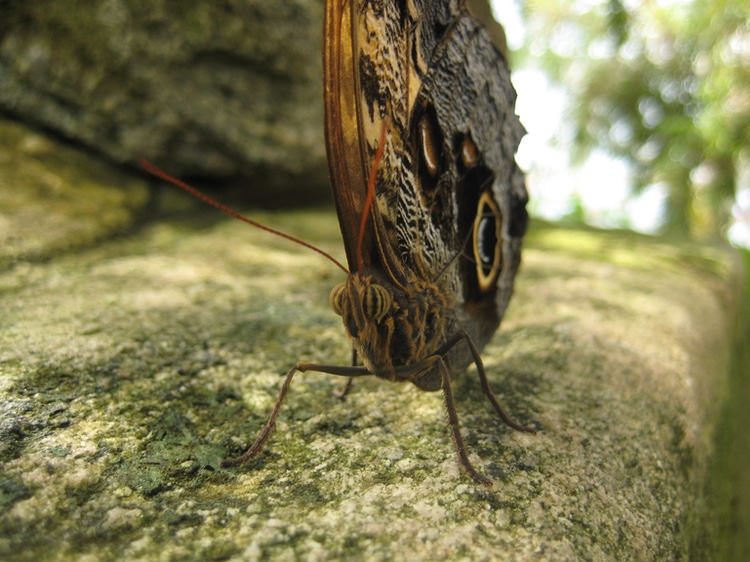
Reading Quiet clicked a puzzle-piece into place — suddenly, countless social interactions gone permanently wrong made sense, and that understanding felt like a new kind of control. The issue moves from introversion’s true definition through Javier Bardem’s moth and the flame, arriving at the conviction that balance cannot be static: it can only be achieved dynamically, in motion, in cycles between light and dark, effort and rest.
Issue № 104
Best intentions
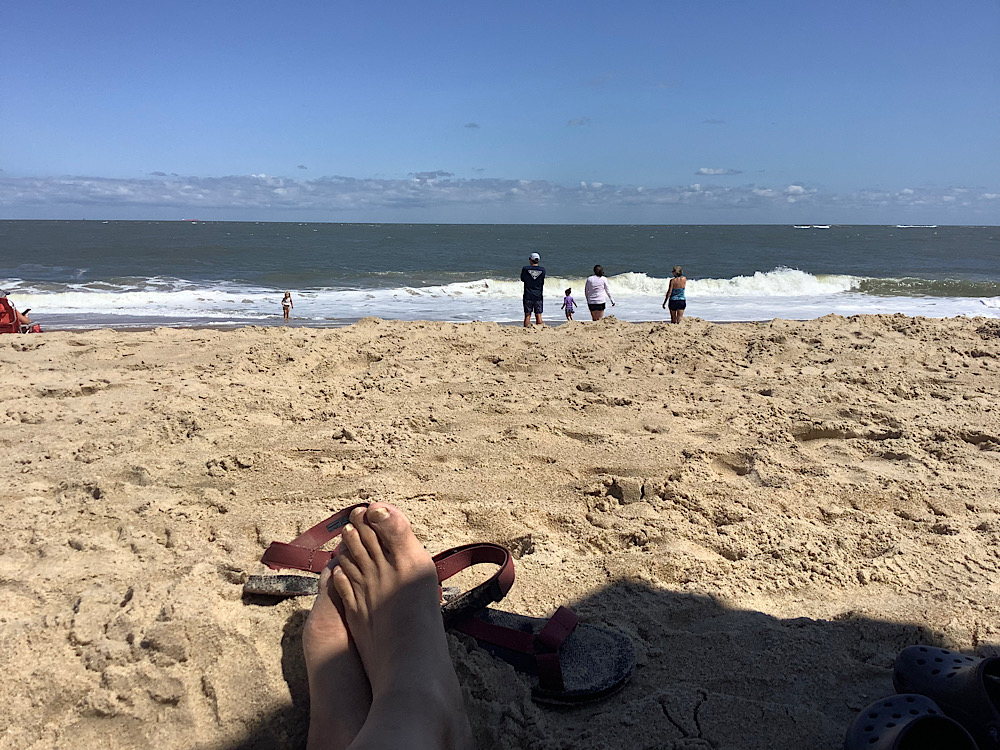
Nick Cave’s meditation practice largely deposed the freaked-out tyrant in his head — the worst possible version of himself — and that’s a magnificent sentence. Around it: mediocrity as the big bland average of everything you see when you steer by looking outward, Kevin Kelly’s counterintuitive path from skill to passion rather than the reverse, and the antidote to best intentions slowly unravelling: find one thing to be your anchor.
Issue № 103
I know what to do
Bill Murray’s questions — consistency, integrity and character, am I really showing up, am I who I think I am? — land right next to Marcus Aurelius asking essentially the same things, nearly three thousand years earlier. That’s pretty good company. The issue circles the paradox of knowing exactly what to do and still finding it soul-crushing to begin, and arrives at the plainest possible conclusion: relax more, and slow down.