Issues of 7 for Sunday.
Issue № 102
Crunch time
Zeno lost everything in a shipwreck, washed ashore miraculously alive, found a bookstore, and invented Stoicism — which is, when you think about it, the original crunch-time pivot. The issue builds to its real question: pick a realistic number of years you might have remaining. Doesn’t it feel like it’s already crunch time? Confucius turns up to suggest that if you take ritual seriously — the transformation of everyday actions into sacred activity — moving forward stops being difficult and starts being effortless.
Issue № 101
A quiet place
A bonsai pine, begun in 1625 and trained generation after generation by one family, survived the Hiroshima atomic blast. That tree — patient, rooted, requiring nothing fixed — sits quietly at the center of an issue that has spent the whole time circling Pascal’s observation that all of humanity’s problems stem from man’s inability to sit quietly in a room alone. Which sounds, it turns out, like exactly where Craig wants to be.
Issue № 100
7 books
Issue 100 hands you seven books — each one pressed forward with full bibliofervor, each one a chapter in the Human Manual that never arrived. The list runs from a Parkour wisdom book that is effectively unknown to the world, through Arnold Bennett’s century-old guide to living on 24 hours a day, to Jaron Lanier’s manifesto against being used by the very technology you’re using right now. The centennial invitation: if you only read what everyone else is reading, you can only think what everyone else is thinking.
Issue № 99
The dark forest
Dante finds himself lost in a dark wood at the midpoint of life — and the detail that stops everything is three words: “I still make.” Hans Zimmer arrives at the same place from a different direction: at some point in every film, there’s an “I have no idea how to do this.” The issue maps the creative journey through those six steps — this is awesome, this is terrible, I am terrible, this might be okay — and names the descent between them for what it is.

Issue № 98
Fertile ground
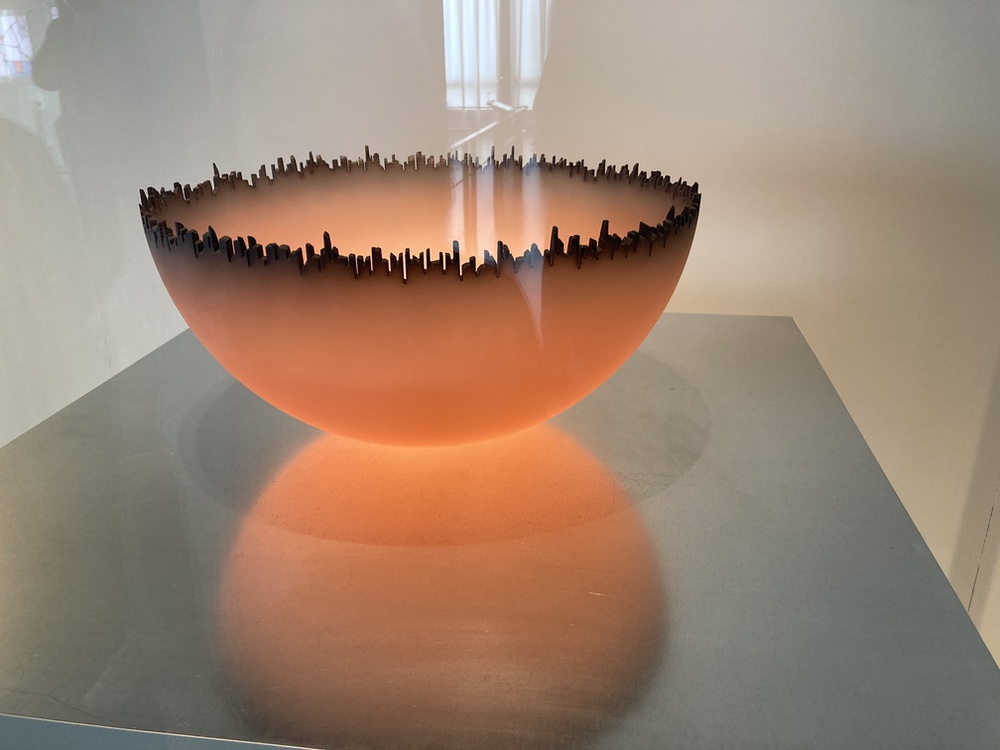
At a multi-day gathering in the pine woods, attending a session on self-compassion while focused entirely on how to show compassion toward others — and only at the end realizing, out loud and in a circle, that this was completely backward. Sometimes a tiny bit of advice falls on fertile ground. The issue also quietly notes that while writing it, more than half of the usual required work got summarily deleted — and you won’t notice a difference.
Issue № 97
Challenge of perspective
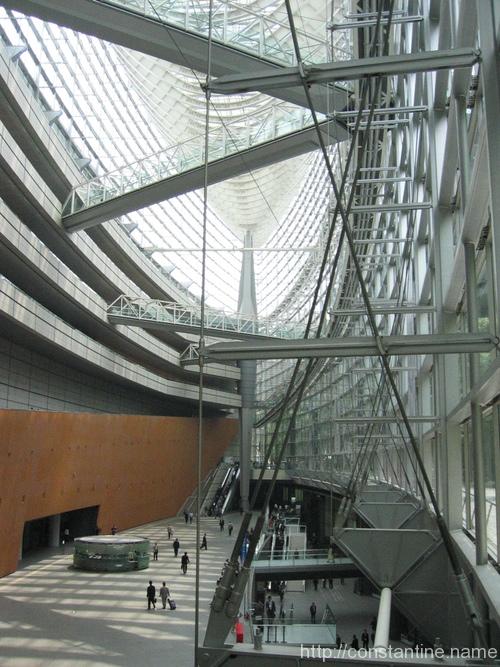
A small, blank slip of paper, five areas of focus, and the forced distillation that comes from not having room for anything else — that’s the perspective shift. Apple’s hydraulic press ad arrives as an accidental articulation of a discomfort many people already felt, and leaves behind a genuinely interesting question: a paintbrush and a trumpet are tools for creative expression, not symbols of creativity itself. So what would the actual symbol of creativity even look like?
Issue № 96
Procrastination and integration
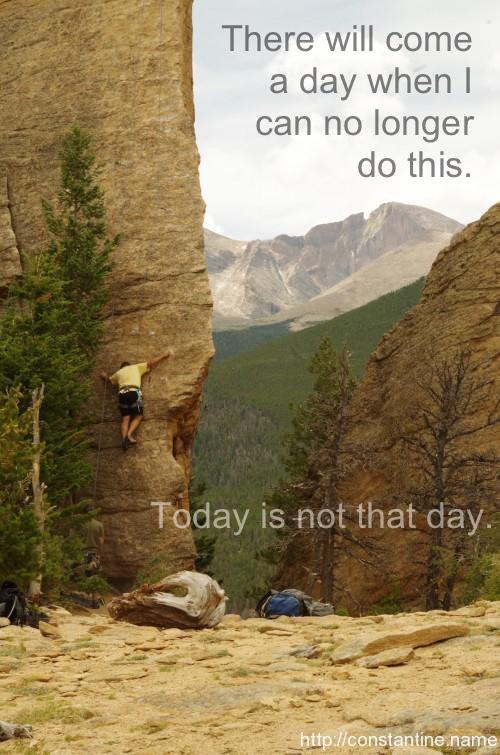
Everything feels unprecedented when you haven’t engaged with history — and once you do, things feel far less surprising. That Kelly Hayes insight opens an issue wrestling with procrastination around the writing itself, and arriving at a deeper point: to actually benefit from what you read, you have to integrate it with your ongoing lived experience, go around telling the story of it, make something of it. Which is, it turns out, exactly what this publication has been doing all along.
Issue № 95
Pixie-dust
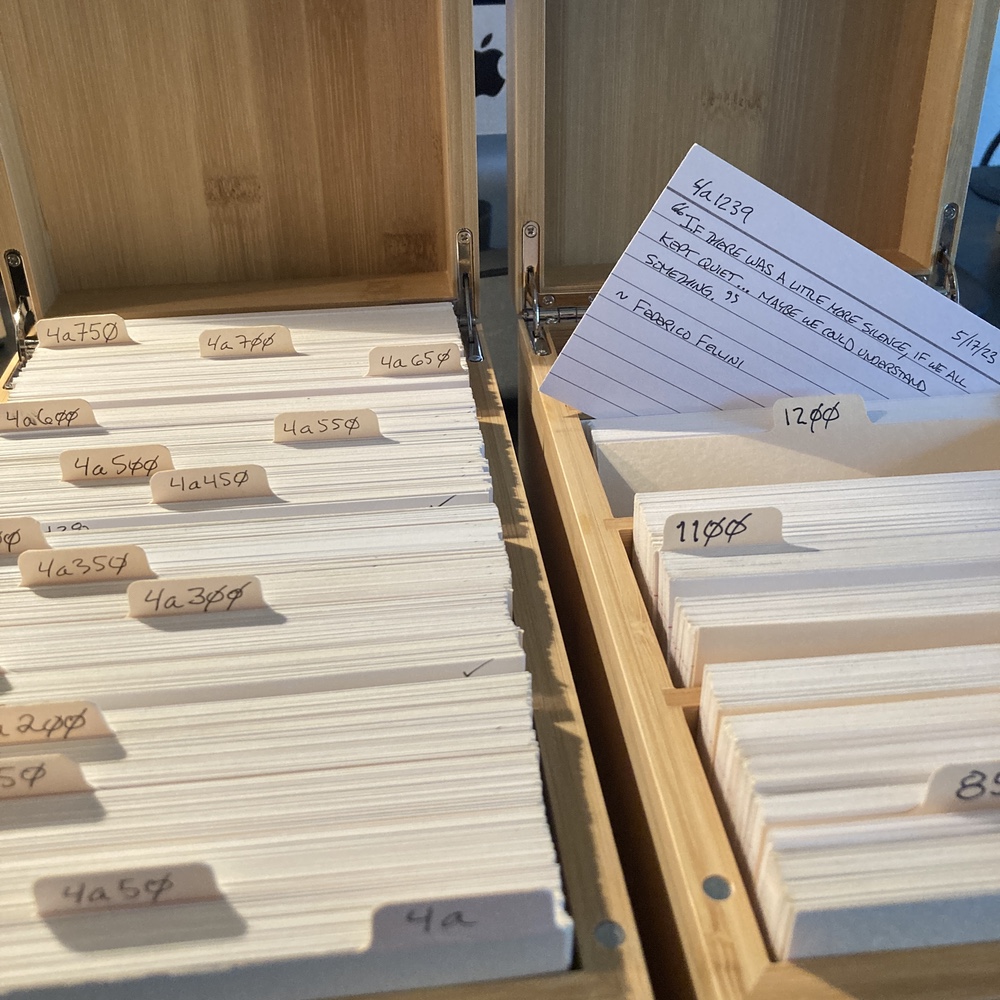
“Pick the lock, don’t look at the dogs” — a Magnum P.I. mantra for when things get difficult and time is short, promptly followed by glancing at the dogs anyway. The issue builds toward its thesis: discipline as pixie-dust, deployed early when something is important rather than when it’s become urgent. Tom Waits drops in without transition. And a pink sticky note has been on the monitor since April 2023: there are no miracles, there is only discipline.
Issue № 94
Clarity
Bruce Springsteen’s voice-over narration, hand-transcribed from a documentary watched on a whim, carries the kind of truth that doesn’t require being a fan to feel: there’s only so much time left, only so many star-filled nights. Joan Didion’s three sentences about innocence ending and a mind on the outs with itself arrive with devastating clarity. And the writer’s voice, it turns out, may be discovered rather than found — something you stumble into by just trying to write.
Issue № 93
Integrity
Positive thinking fails when you’re actually mad — but naming the feeling out loud, even just to yourself, genuinely helps. That small, well-supported insight anchors an issue threading together integrity with self, calm technology, and a National Guard blizzard story where the vending machines got emptied and World of Warcraft got played until the roads reopened. Nostalgia, meanwhile, is potent enough that it really shouldn’t be as readily available as it is.